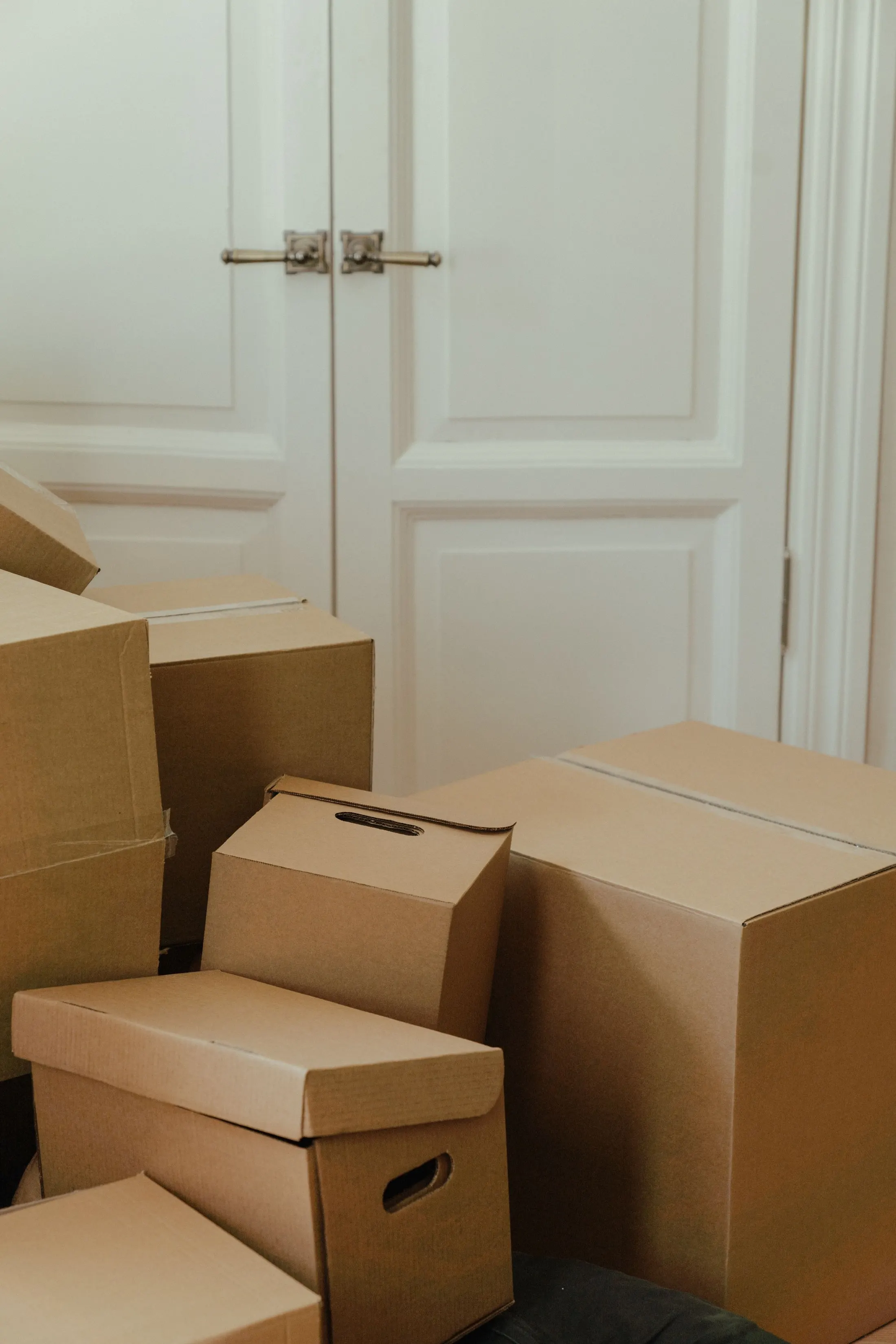
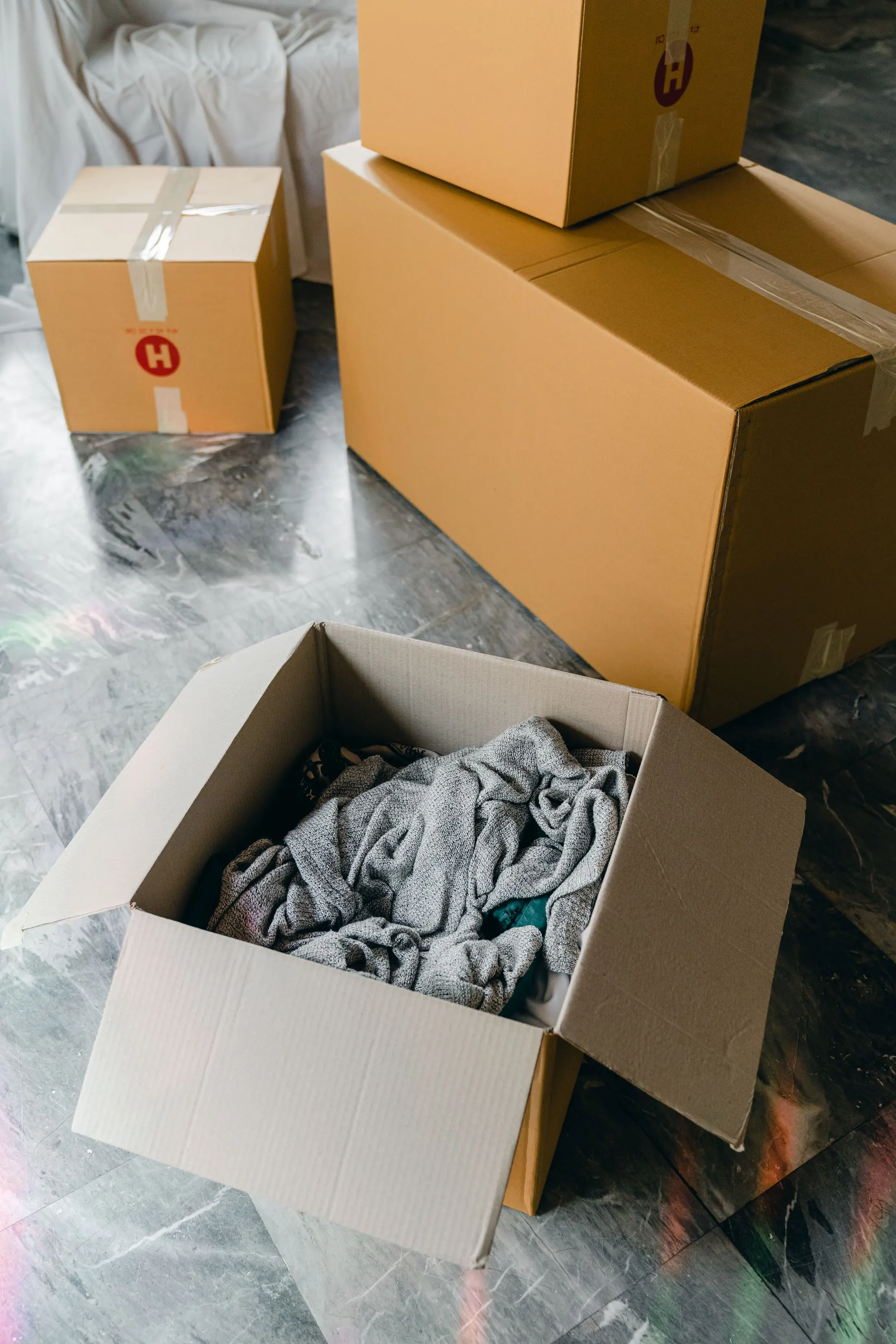
Moving companies are paid to move your belongings, but the speed of the day is set before the crew arrives. Preparation decides whether the truck is loaded once or twice, and whether your furniture arrives in the same condition it left in.
Declutter before you pack
Every item you do not move is an item you do not pay to carry, wrap, label and unpack. Work through one room at a time and separate into keep, donate, sell and dispose. For many households this removes ten to twenty per cent of the volume — and that is visible in the quote.
Make access easy
- Clear driveways, corridors and stairwells.
- Measure doorways for oversized furniture, and remove doors if needed.
- Book the lift where one exists and reserve the parking bay.
- Tell the crew about narrow turns, low ceilings or steps in advance.
Handle the paperwork
Gather property documents, utility contacts, keys and building access codes. If you are renting, confirm the handover time with your landlord so the move does not stall at the door.
The essentials box
One clearly marked box should travel with you: kettle, cups, chargers, toilet roll, a change of clothes, basic tools and snacks. It is the only box you will open on the first night.
Empty, clean, protect
Empty every cupboard and drawer so they can be moved safely. Clean appliances before transit — a clean fridge stays odour-free in storage or in the new home. Protect floors at both ends of the move with mats or cardboard.
A prepared home also means a prepared household. Assign one person to answer the crew’s questions, and keep children and pets away from the loading path.
Measure before the truck arrives
Walk the route from the largest item to the door with a tape measure. Note the narrowest doorway, the tightest stair turn, the lift opening and the gate. Send those numbers to your mover before the survey if you can — it is the difference between a crew that arrives prepared and one that improvises at the threshold.
If something will not pass, decide early whether it is dismantled, lifted over a balcony, or left behind. Discovering it on the morning usually means paying for a second trip.
What to leave for the new owners or tenants
Confirm what stays: curtains, light fittings, appliances, spare keys, manuals. Put anything that stays in one clearly marked cupboard so it is not accidentally loaded. In rented properties, check the inventory you signed at the start of the tenancy.
The evening before
Charge phones and power banks, put the essentials box by the front door, and set aside a bag with chargers, medication and a change of clothes for each person. Empty the bins, defrost the freezer, and leave the vacuum out — you will want it in the new place before the furniture arrives. Confirm the crew’s arrival window one last time, then stop working. A move goes better when the people running it have slept.
Handover day
Take meter readings for electricity and water, photograph the empty rooms, and walk the property with the landlord or agent. Return every key and confirm the handover time in writing. Doing this before the truck leaves avoids a second visit later in the week.
Our residential moving service is built around this sequence: survey first, a written plan, then a crew that knows the access before it lifts anything. If packing is the part you would rather not do, it can be added to the same booking.