Packing is a supply problem before it is a skill problem. Buy the right materials and the job takes half the time; buy the wrong ones and you spend the day re-boxing things that split at the seams. Here is what actually earns its place in the hall.
The boxes you actually need
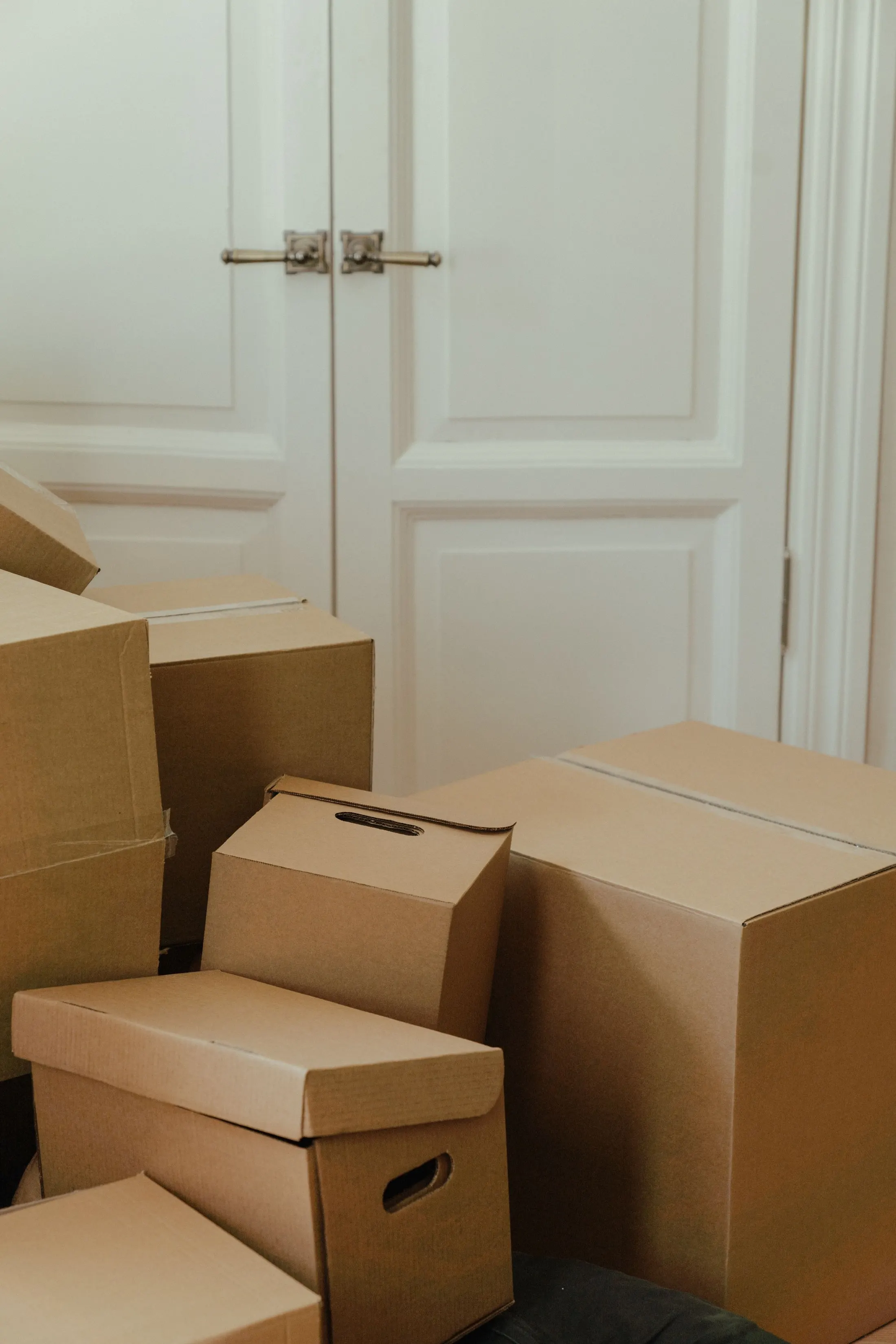
Box size should follow weight, not volume. The most common packing mistake is putting heavy items into a large box, which then fails at a corner or cannot be lifted safely.
- Small boxes for books, tools, tins, kitchen hardware and anything dense.
- Medium boxes for the general run of household items: clothes, toys, small appliances.
- Large boxes only for light and bulky things — bedding, pillows, lampshades, cushions.
- Wardrobe boxes if you would rather not fold hanging clothes; they save an entire afternoon of ironing.
- Dish barrels (double-walled) for plates and glassware, where the extra strength matters most.
Tape, and something to cut it with
One roll of good packing tape beats five cheap rolls. Tape the bottom seam and the centre seam of every box before packing, and tape the top the same way afterwards. A tape dispenser is not a luxury when you are sealing forty boxes.
Protection: paper, bubble wrap, blankets
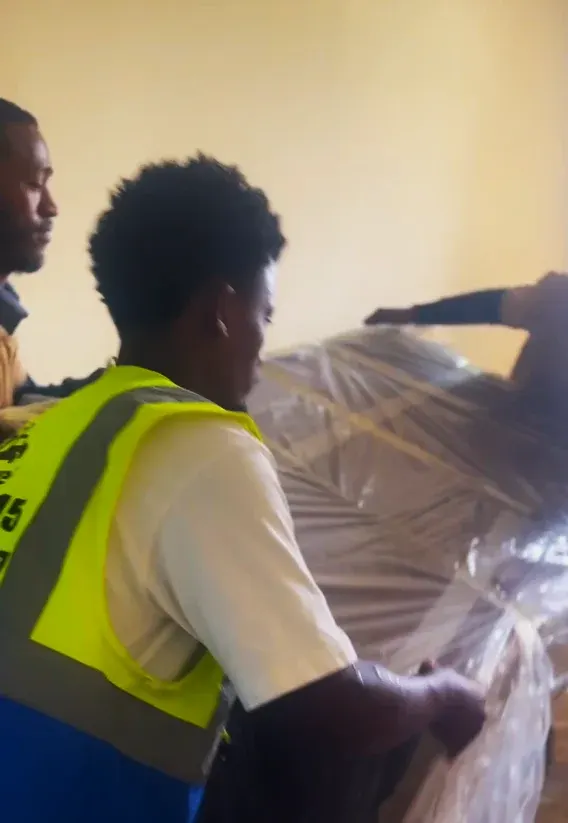
Packing paper is for wrapping individual items and filling gaps. Bubble wrap is for surfaces that bruise — screens, frames, ceramics. Moving blankets are for furniture, not boxes. Stretch wrap holds doors and drawers shut and keeps a blanket in place without tape touching the fabric.
Markers and labels
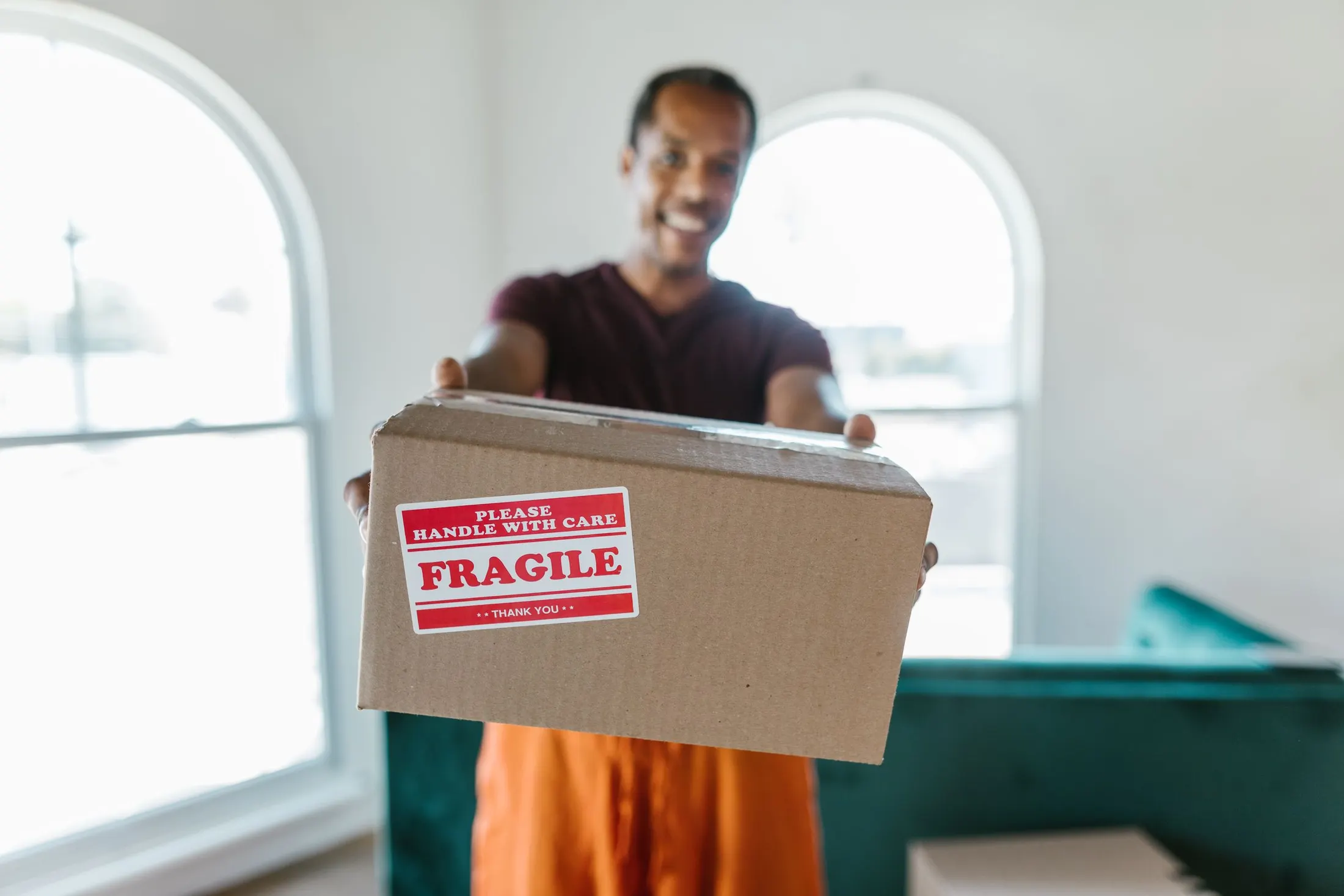
Use a thick marker and write three things on two sides of every box: the destination room, a short contents list, and “FRAGILE” where it applies. Number the boxes and keep a list on your phone — if one goes missing, you will know exactly which one it was.
What you can skip
- Newspaper for anything porous. The ink transfers to china, books and light fabrics.
- Oversized boxes “just in case” — they are what make a load unstable.
- Pre-made kits full of sizes you will not use.
- Bin bags for anything with a hard edge; they tear and the contents end up loose in the truck.
Pack so the boxes stack
A box that bulges at the top cannot be stacked, and loose boxes in a truck shift. Fill each carton to the lid so the flaps close flat, and keep the weight balanced from side to side. Put heavier items at the bottom of the box and lighter ones on top, then place the heaviest boxes at the bottom of the stack in the truck. Write the room on two adjacent sides, so the label is readable whichever way the box lands.
How much to buy
For a one-bedroom flat, a reasonable starting point is ten to fifteen mixed boxes plus tape, paper and a marker; a three-bedroom house is closer to forty. Buy a little more than you think, keep the receipt, and return what is unopened. Packaging suppliers and hardware shops around Addis Ababa stock these materials, and a professional move can include them.
Let the crew bring the materials
If you would rather not spend a week sourcing boxes, our packing and unpacking service supplies the cartons, wrapping, tape and labels, packs room by room and removes the empty material afterwards. If you only need help with the heavy pieces, furniture moving can be booked on its own.